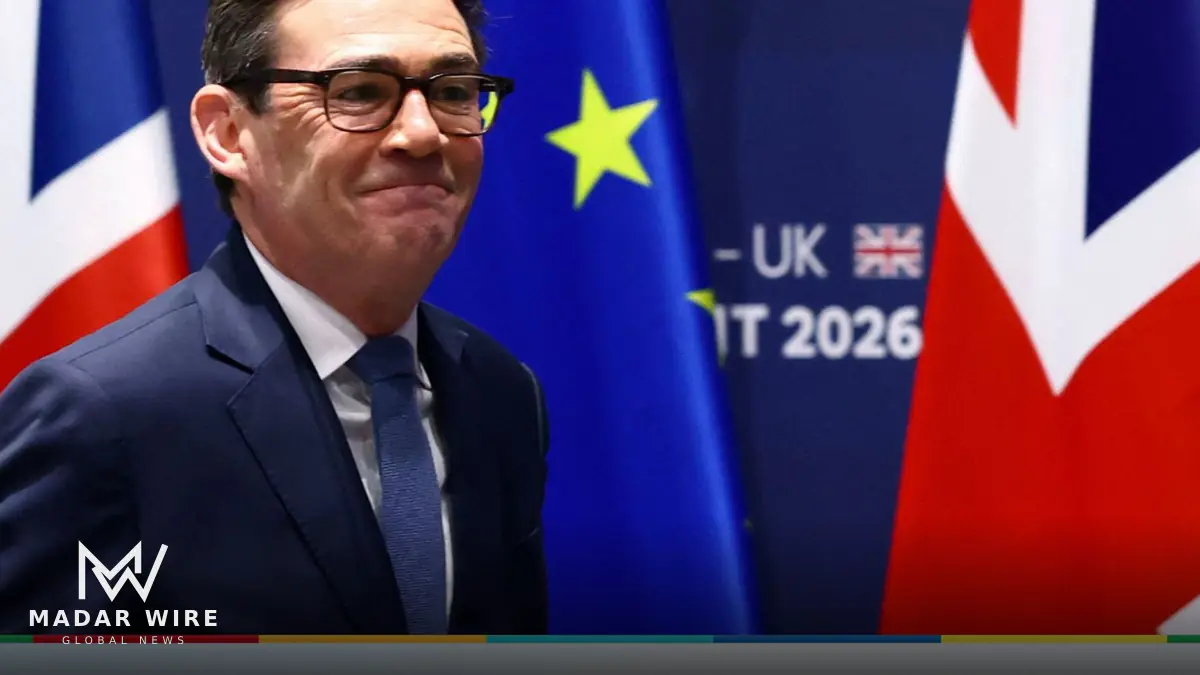
Prime Minister Andy Burnham is expected to address the House of Commons today, urging MPs to support a landmark agreement with the European Union. According to reports from BBC News - UK, the Prime Minister will frame the deal as a pivotal moment for the nation, arguing that it represents a clear choice between a broken status quo and a trajectory toward future prosperity.
The government maintains that the agreement, finalised on Friday, is essential to unlocking economic growth over the next decade. Mr Burnham is expected to tell the chamber that the deal provides the necessary framework to stabilise trade relations and improve the country's standing in the international market.
A choice between status quo and change
The political stakes are high as the government attempts to sell the benefits of the deal to a sceptical opposition and a divided public. Downing Street has emphasised that the current economic climate is unsustainable, suggesting that the new arrangements will provide the stability required for businesses to invest with confidence.
While the full details of the agreement remain under intense scrutiny, the Prime Minister’s rhetoric suggests a focus on long-term structural reform. By positioning the deal as a departure from previous arrangements, the government hopes to neutralise criticism regarding the concessions made during the final stages of negotiations.
Parliamentary scrutiny and next steps
The debate in Parliament is likely to be heated, with opposition leaders expected to challenge the government on the specifics of the deal. Concerns regarding sovereignty, regulatory alignment, and the impact on domestic industries remain at the forefront of the legislative conversation.
BBC News - UK reports that the Prime Minister will use his address to appeal for cross-party support, arguing that the national interest must supersede partisan divisions. As the debate unfolds, the government will be under pressure to demonstrate that the agreement can deliver tangible improvements to the cost of living and overall economic output in the coming years.