The International Committee of the Red Cross (ICRC) has issued a stark warning regarding the rapid proliferation of autonomous weapon systems. As reported by The Guardian, the organization suggests that the global community is on the verge of losing its ability to control these technologies, effectively letting the “genie out of the bottle” before meaningful safeguards can be established.
This alert follows a recent United Nations conference where member states failed to agree on a formal regulatory framework. While tech developers continue to integrate advanced AI into military hardware, diplomatic efforts to create binding international laws governing the use of lethal autonomous weapons remain stuck in a cycle of debate and inaction.
The Speed of Innovation vs. Diplomacy
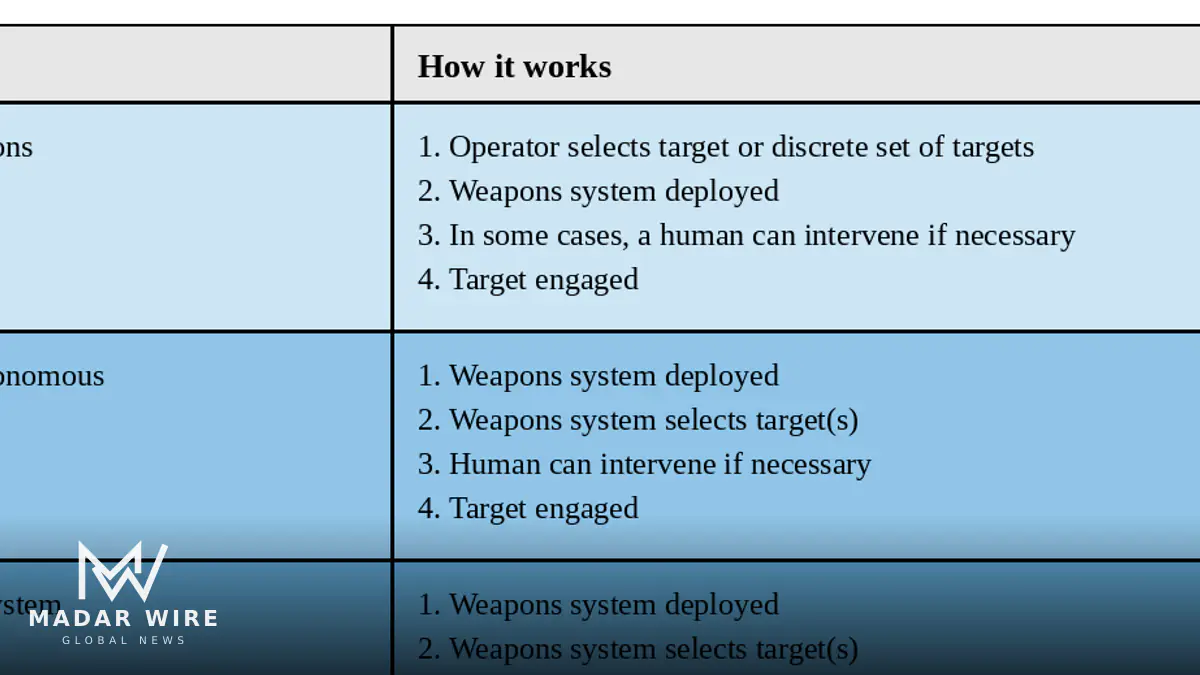
The primary concern among humanitarian groups is the widening gap between the pace of military innovation and the speed of international law. Autonomous systems, which can identify, select, and engage targets without human intervention, are becoming increasingly sophisticated. Critics argue that without clear, legally binding restrictions, the world risks an uncontrolled arms race that could fundamentally alter the nature of modern warfare.
The ICRC emphasizes that the lack of human control over life-and-death decisions poses a significant ethical and legal challenge. As these systems become more accessible and capable, the potential for unintended escalation grows, yet international consensus remains elusive. The failure to secure a regulatory instrument at the UN level highlights a deep divide between nations prioritizing military technological superiority and those advocating for strict humanitarian constraints.
The Risk of Irreversible Proliferation
Observers note that once autonomous technology is fully integrated into state arsenals, the technical and political hurdles to disarmament will become insurmountable. The current trajectory suggests that military AI is being deployed faster than the international community can define the rules of engagement.
For now, the debate continues to stall in committee rooms while the underlying technology advances in laboratories and defense facilities globally. The ICRC’s warning serves as a final call for states to prioritize the establishment of international norms before the deployment of autonomous systems becomes a permanent, irreversible reality of the global security landscape.