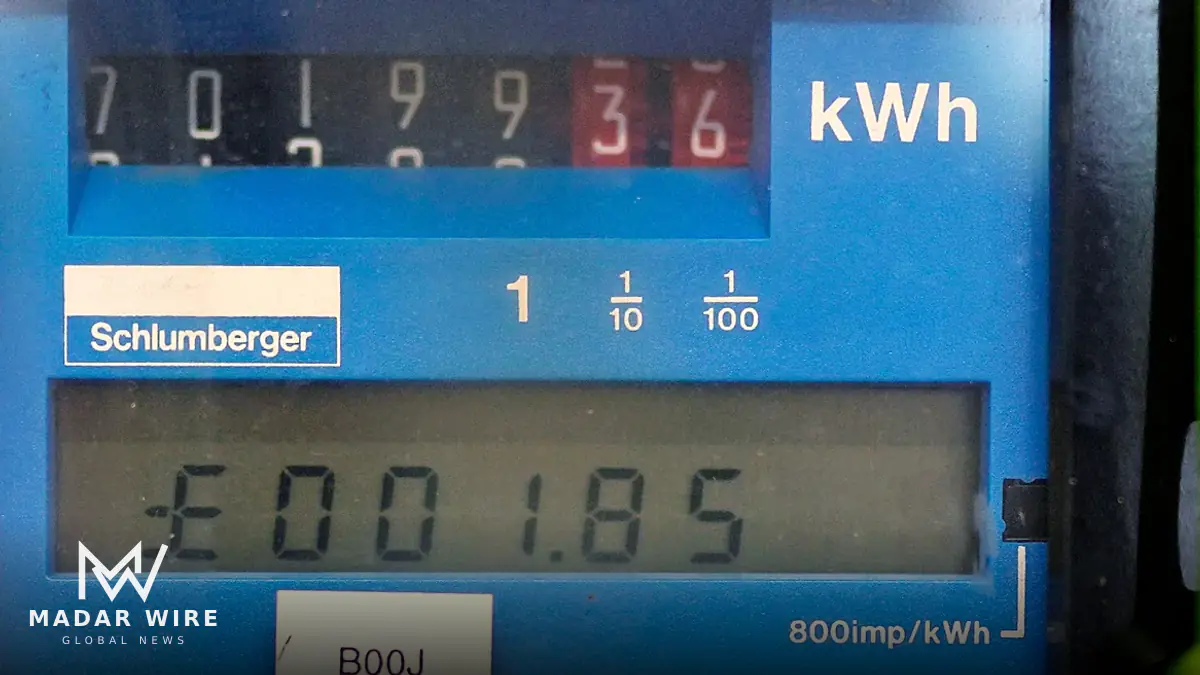
Households in the United Kingdom are set to face energy bills that stand 70% above the European Union average, according to a new analysis by Euronews Global. This significant disparity underscores the ongoing financial strain on British consumers amid volatile energy markets.
The report indicates that while energy prices have stabilized somewhat from their peak, the structural costs in the UK remain substantially higher than those in neighboring EU nations. This gap is attributed to a combination of market design differences, regulatory frameworks, and the specific mix of energy sources utilized in the British grid.
Structural Drivers of Cost Disparity
Euronews Global points to several key factors contributing to this price gap. Unlike many EU countries that have implemented more aggressive price caps or subsidies, the UK market has relied heavily on wholesale price fluctuations. This exposure to global gas and electricity prices has kept domestic bills elevated, even as other European markets have introduced protective measures for consumers.
Furthermore, the UK’s energy mix, which includes a higher proportion of imported gas and specific carbon pricing mechanisms, adds to the baseline cost for households. Analysts note that while the UK has made strides in renewable energy adoption, the transition period has coincided with a global energy crisis, exacerbating the cost burden for average families.
Impact on Consumer Budgets
The 70% premium means that a typical UK household spends a significantly larger portion of its income on heating and power compared to an average EU household. This disparity has fueled political debate over the adequacy of government support schemes and the long-term viability of current energy policies.
Consumer advocacy groups have called for further intervention to close the gap, arguing that the current level of cost disparity is unsustainable for many lower-income families. Euronews Global emphasizes that while the situation is not unique to the UK, the magnitude of the difference relative to the EU average is a critical metric for policymakers to address in the coming fiscal years.
As the energy market continues to evolve, the focus will remain on whether regulatory adjustments can effectively lower these costs. For now, the data from Euronews Global serves as a stark reminder of the economic challenges facing British households in the current energy landscape.