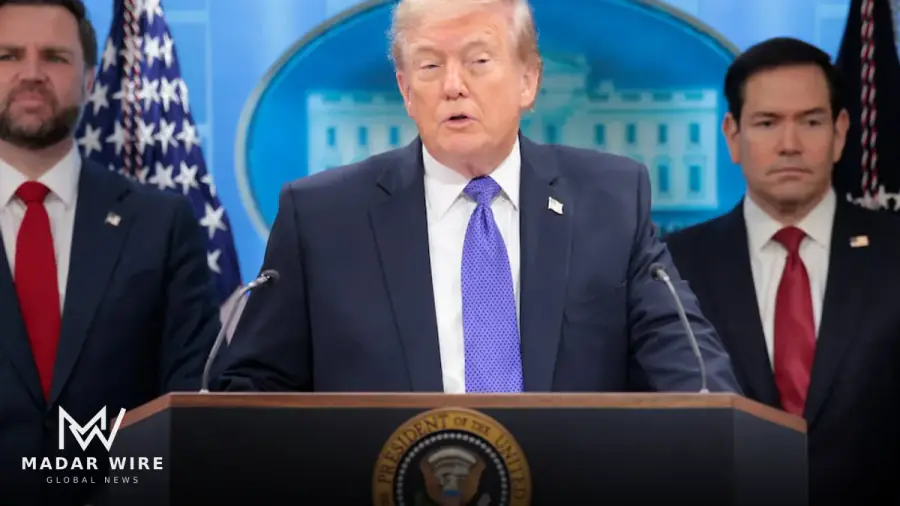
U.S. President Donald Trump said on Friday that he is actively working toward a "fair" trade deal with Canada, signaling a potential shift in bilateral economic relations. The comments came during a White House news conference following his return from a trip to Asia, which included a brief meeting with Prime Minister Mark Carney.
According to reporting by CBC News - Politics, the President floated the prospect of reaching an agreement soon but cautioned that substantial work remains before a final deal can be struck. He emphasized that the negotiations must result in a fair outcome for both nations, a phrase that has become central to his administration's trade rhetoric.
Brief Bilateral Meeting in Asia
The diplomatic context for these remarks stems from Trump's recent itinerary in Asia. During the trip, he held a short session with Prime Minister Carney, providing a rare face-to-face opportunity to discuss ongoing trade tensions. While the duration of the meeting was limited, it offered a platform to reset the tone of negotiations that have been fraught with disputes over tariffs and market access.
Canadian officials have been closely monitoring U.S. trade policy developments, given the significant volume of goods and services that flow between the two countries. The Prime Minister's presence in Asia for this meeting underscores the importance of maintaining direct communication channels with the U.S. administration amidst broader geopolitical shifts.
Path Toward a Final Agreement
Trump’s assertion that more work needs to be done suggests that current proposals have not yet met the administration's criteria for fairness. Trade experts note that defining "fairness" in this context often involves specific demands regarding non-tariff barriers, digital trade rules, and sector-specific protections.
The statement serves as a diplomatic signal rather than a concrete policy announcement. It indicates a willingness to engage in constructive dialogue, moving away from the more confrontational tone that has characterized recent trade discussions. For Canadian businesses, the prospect of a stabilized trade relationship offers a degree of predictability, though uncertainty remains until specific terms are finalized.
As negotiations continue, both governments are expected to engage in technical discussions to address outstanding issues. The coming weeks will likely see increased activity between trade ministries as they work to bridge the gap between their respective positions. The outcome of these efforts will have significant implications for North American supply chains and economic stability.