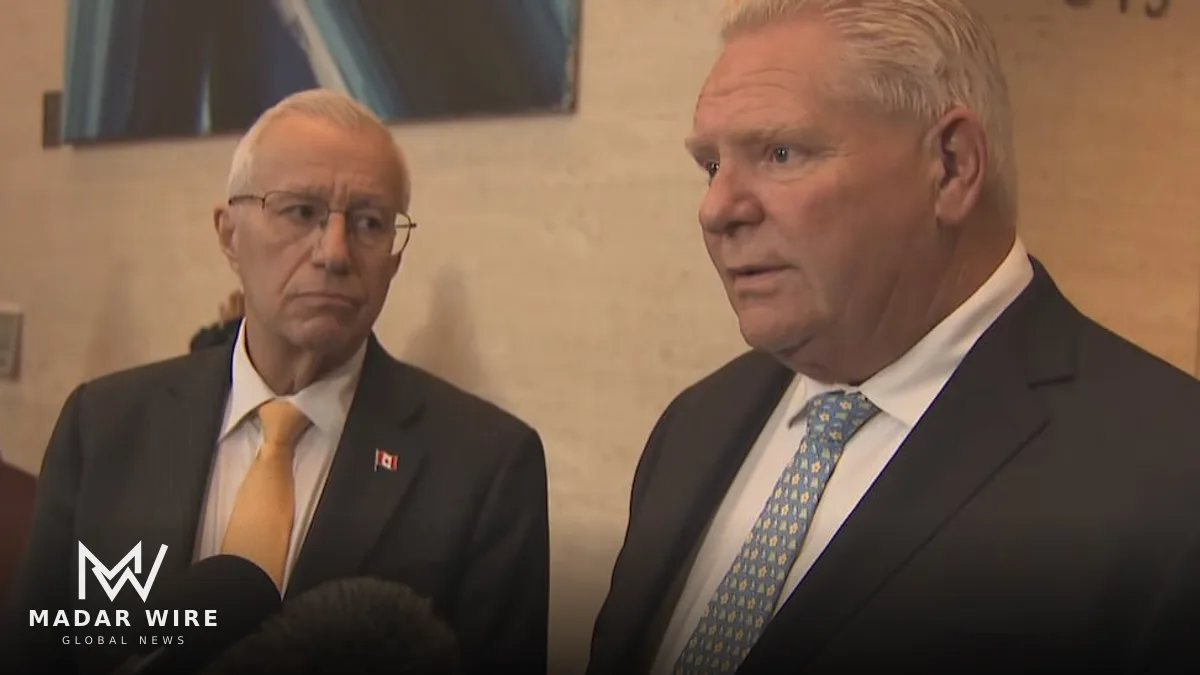
Ontario Premier Doug Ford has publicly asserted that automaker Stellantis owes the federal government $873 million, a claim that highlights the complex financial negotiations surrounding the province's burgeoning electric vehicle sector. According to reporting from CBC News, the Premier’s comments arrive amid a high-stakes environment where governments are committing billions to secure battery manufacturing facilities.
The figure cited by the Premier relates to the federal government's share of subsidies intended to anchor the company's massive investment in Ontario. While the federal government has remained largely tight-lipped on the specifics of the ongoing financial arrangements, the Premier’s public declaration suggests a growing impatience regarding the fulfillment of fiscal obligations by the corporate partner.
Stakes in the EV Battery Sector
The automotive industry serves as a cornerstone of the Ontario economy, and the transition to electric vehicle production is viewed as essential for long-term competitiveness. Stellantis, which is currently constructing a major battery plant in Windsor, has been the subject of intense scrutiny as both levels of government work to ensure the project remains on track despite shifting market conditions.
Negotiations involving multi-billion dollar subsidies often involve complex clawback provisions and performance milestones. The Premier’s insistence that the funds are owed indicates that the provincial government is closely monitoring the company's adherence to the terms established in the initial investment agreements.
Government Accountability and Industrial Policy
The federal government has previously defended its investment strategy, arguing that the subsidies are necessary to compete with the United States' Inflation Reduction Act. However, the public nature of the Premier’s statement signals a potential rift in the unified front usually presented by Ottawa and Queen's Park regarding industrial subsidies.
As the automotive sector continues to navigate the transition toward electrification, the pressure to balance taxpayer-funded incentives with corporate performance will likely intensify. Observers suggest that this public disagreement may force a clearer disclosure of the contractual obligations governing these massive industrial projects moving forward.