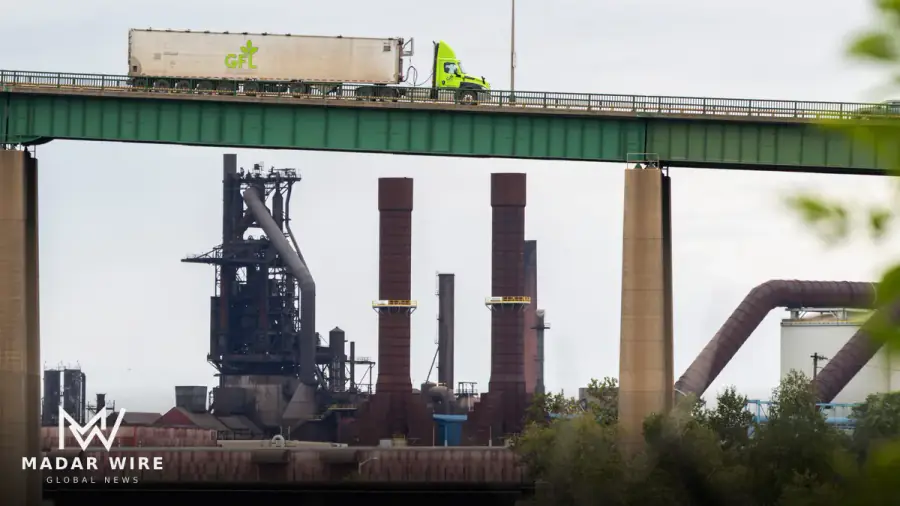
Ontario and the federal government have committed $250 million to a new port infrastructure project in Sault Ste. Marie. The joint investment aims to address significant gaps in the province’s trade network, according to a report by The Globe and Mail.
The Ford government announced the funding as part of a broader strategy to strengthen Ontario’s economic resilience. By targeting specific logistical bottlenecks, the project seeks to improve the flow of goods through one of Canada’s key border crossings.
Strategic Infrastructure Investment
The $250 million commitment is a shared effort between provincial and federal partners. This collaboration highlights a growing focus on modernizing aging infrastructure that supports cross-border commerce. The Globe and Mail notes that the project is designed to fill a critical gap in the province’s existing trade infrastructure.
Officials emphasize that the upgrade is not merely about construction but about optimizing efficiency. The Sault Ste. Marie port serves as a vital link for shipments moving between the United States and Canadian markets. Improving its capacity is seen as essential for maintaining competitive trade routes in the region.
Regional Economic Impact
For the Sault Ste. Marie region, the investment signals long-term confidence in local economic growth. The project is expected to create immediate construction jobs and support long-term operational roles. Local stakeholders have welcomed the move, viewing it as a necessary step to keep pace with increasing trade volumes.
The Globe and Mail reports that the government views this as a proactive measure rather than a reactive one. By addressing infrastructure deficits now, officials hope to prevent future disruptions in the supply chain. The initiative aligns with broader national goals to secure and diversify trade corridors.
While the financial details have been confirmed, the timeline for construction and full operational capacity remains under development. Further consultations with local businesses and port authorities are expected to shape the next phases of the project. The announcement underscores the priority placed on physical infrastructure in Canada’s current economic policy framework.