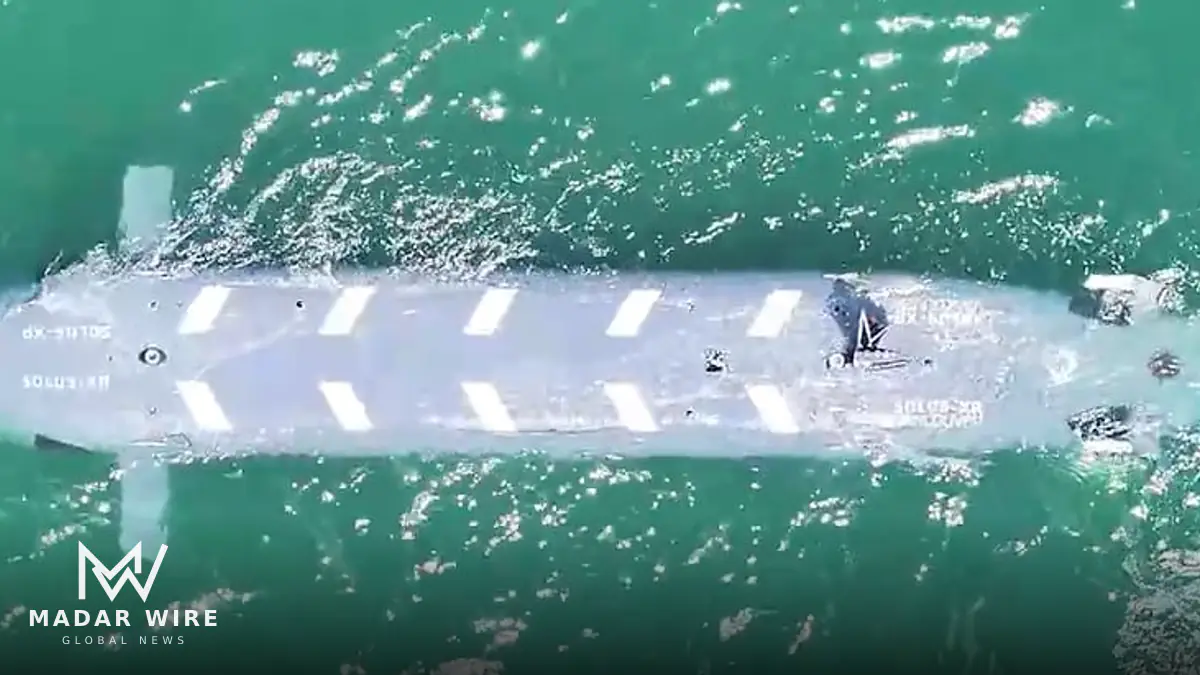
Canada’s maritime defense capabilities are facing renewed scrutiny as the Royal Canadian Navy struggles to modernize its underwater surveillance fleet. While international allies are rapidly integrating advanced autonomous underwater vehicles (AUVs) into their naval operations, Canada remains significantly behind in securing similar technology.
According to reporting from CBC News, the discrepancy is stark. Canada is responsible for monitoring 243,000 kilometres of coastline across three oceans, yet the military currently operates only 20 underwater drones. This limited inventory leaves significant gaps in the country's ability to detect and track potential subsurface threats in increasingly contested waters.
Internal warnings ignored
Leaked internal documents obtained by CBC News reveal that senior defense officials identified the urgent need for a short-term technological fix more than a year ago. These discussions emphasized that the current reliance on legacy systems is insufficient to meet modern security challenges, particularly in the Arctic and along the Atlantic and Pacific coasts.
Despite these internal acknowledgments, the navy’s leadership has confirmed that a viable, large-scale solution is not yet ready for deployment. The delay raises questions about the procurement process and the government's ability to pivot toward autonomous systems in an era of heightened global maritime tension.
Strategic vulnerability in the Arctic
The lack of underwater surveillance capacity is particularly concerning given the strategic importance of the Arctic. As climate change opens new shipping lanes and foreign interest in northern resources grows, the ability to maintain persistent underwater situational awareness has become a top priority for national security experts.
While allies like the United States and the United Kingdom have accelerated their acquisition of AUVs to bolster anti-submarine warfare, Canada’s progress remains stalled. Without a clear timeline for procurement or integration, the navy continues to rely on traditional platforms that are increasingly expensive and difficult to maintain in harsh, remote environments.