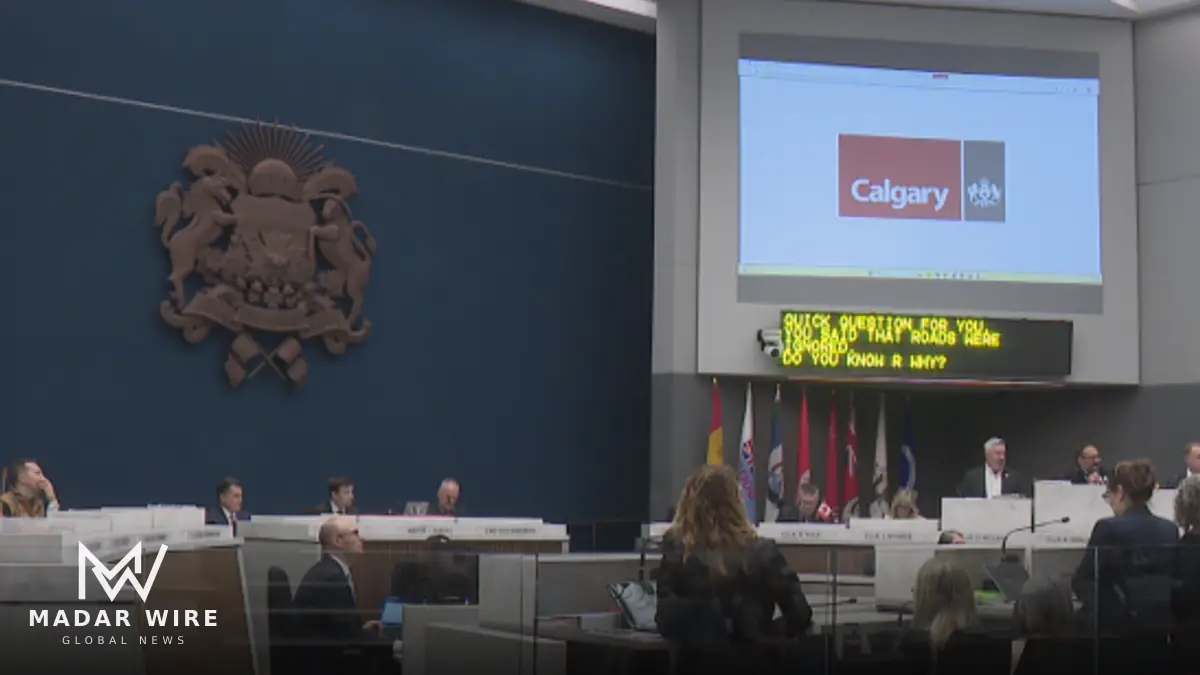
Matthew Riley, a Calgary resident living with Tourette syndrome, has reported that a city councillor interrupted his public comment during a recent budget hearing. According to an interview with Global News, the interruption occurred while Riley was speaking, disrupting his ability to convey his message to the council.
Riley described the incident as deeply hurtful and embarrassing. He stated that the experience has left him questioning whether he will ever speak to Calgary city council again. The resident expressed concern that the interaction undermined his right to participate in the democratic process, particularly given the nature of his neurological condition.
Impact on Civic Participation
The incident highlights broader concerns about accessibility and respectful conduct in municipal public forums. For individuals with conditions that may cause involuntary vocalizations or movements, public speaking can already be a challenging endeavor. Interruptions by elected officials can exacerbate feelings of exclusion and discourage future civic engagement.
Riley’s account, shared via Global News, underscores the importance of trained facilitation and clear protocols for public hearings. Many municipalities have guidelines intended to ensure that all speakers are heard without disruption, yet enforcement and awareness among councillors remain inconsistent. The Calgary city council has not yet issued a specific public response to Riley’s complaint as of the time of reporting.
Context and Reaction
Tourette syndrome is a neurological disorder characterized by multiple motor and vocal tics. While many individuals manage their symptoms effectively, public settings can sometimes trigger increased stress or visibility of tics, making respectful listening crucial. Advocacy groups for people with disabilities often emphasize that interruptions, even if unintentional, can be perceived as dismissive or hostile.
Riley’s decision to step back from direct engagement with council reflects a growing trend among some residents who feel that municipal processes do not adequately protect them from disrespect. Global News noted that Riley’s experience is part of a larger conversation about how local governments handle diverse needs during public consultations. The story serves as a reminder for officials to uphold standards of courtesy and inclusion in all civic interactions.