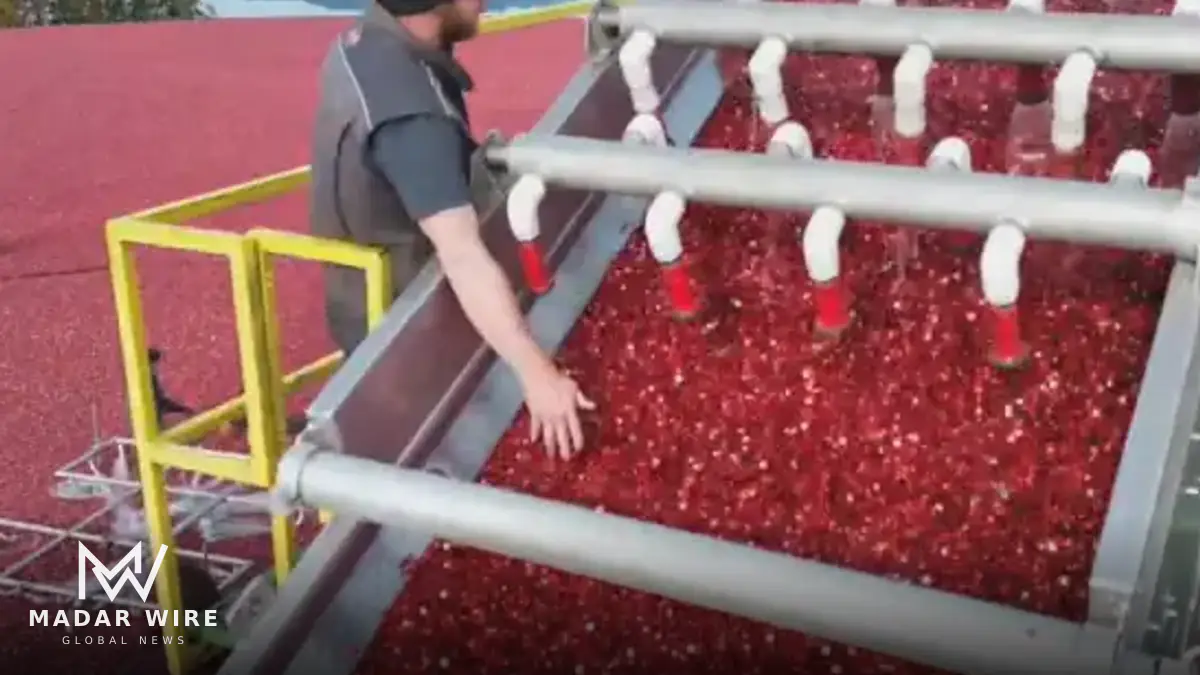
Cranberry farmers in British Columbia are adjusting their agricultural calendars in response to shifting weather patterns linked to climate change, according to Global News. The changing conditions are forcing growers to modify both their planting and harvesting schedules to maintain viable yields.
Shifting Agricultural Calendars
The primary challenge facing B.C. cranberry producers is the unpredictability of seasonal weather. Global News reports that farmers are left trying to adjust their growing and harvesting seasons as traditional climatic markers become less reliable. This shift requires significant logistical planning and can affect the timing of market entry for the fruit.
Climate change is altering the baseline weather conditions that historically dictated the cranberry harvest. As temperatures and precipitation patterns fluctuate, growers must make real-time decisions that deviate from long-standing agricultural practices. This adaptation process is ongoing and varies by region within the province.
Impact on Crop Stability
The need to constantly adjust seasons introduces risk to crop stability. Farmers are working to mitigate the effects of these changes while ensuring the quality and quantity of their harvests remain consistent. Global News highlights that these adjustments are a direct response to observable changes in the local climate.
As the agricultural sector in British Columbia continues to monitor these trends, the focus remains on sustainable practices that can withstand future climatic variations. The situation underscores the broader impact of environmental changes on regional food production systems.