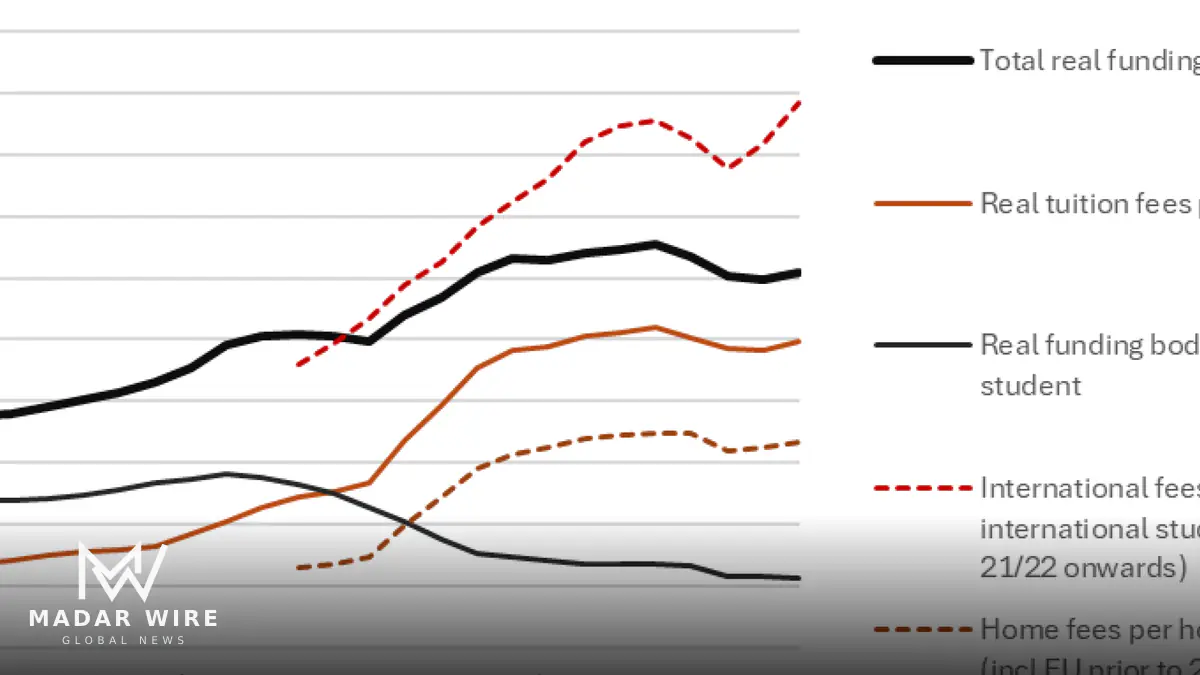
Australia’s higher education sector is facing a period of intense scrutiny, with political debate increasingly focused on the role of international students. However, historical analysis suggests that the current crisis is not a product of student numbers, but rather a long-term failure of government funding models.
Writing for The Guardian Australia, historians Kate Fullagar and Michelle Arrow argue that the narrative blaming international students for the sector’s woes is a distraction from deeper structural issues. As the federal government grapples with migration caps, the authors contend that the institutions politicians claim to miss are being undermined by a lack of sustained public support.
The political shift on migration
The debate gained momentum recently when the Coalition’s shadow home affairs and immigration minister, Jonathon Duniam, criticised the high volume of international students. This rhetoric reflects a broader political trend of linking migration figures directly to domestic housing shortages and infrastructure strain.
Fullagar and Arrow note that this focus ignores the historical context of how universities have been forced to operate. Over several decades, the shift away from public funding has compelled institutions to treat education as an export commodity, making them heavily reliant on international tuition fees to remain solvent.
Reframing the funding model
If the federal government is serious about restoring the quality and independence of Australian universities, the authors argue that a rethink of the education budget is essential. Relying on international student revenue to bridge the gap left by declining public investment has created a volatile financial environment.
The column suggests that the current crisis is a symptom of treating knowledge as a market-driven product rather than a public good. Without a commitment to structural funding reform, the sector will continue to struggle under the weight of political pressure and financial instability. For policymakers, the challenge lies in moving beyond migration rhetoric to address the underlying fiscal policies that have shaped the modern university landscape.