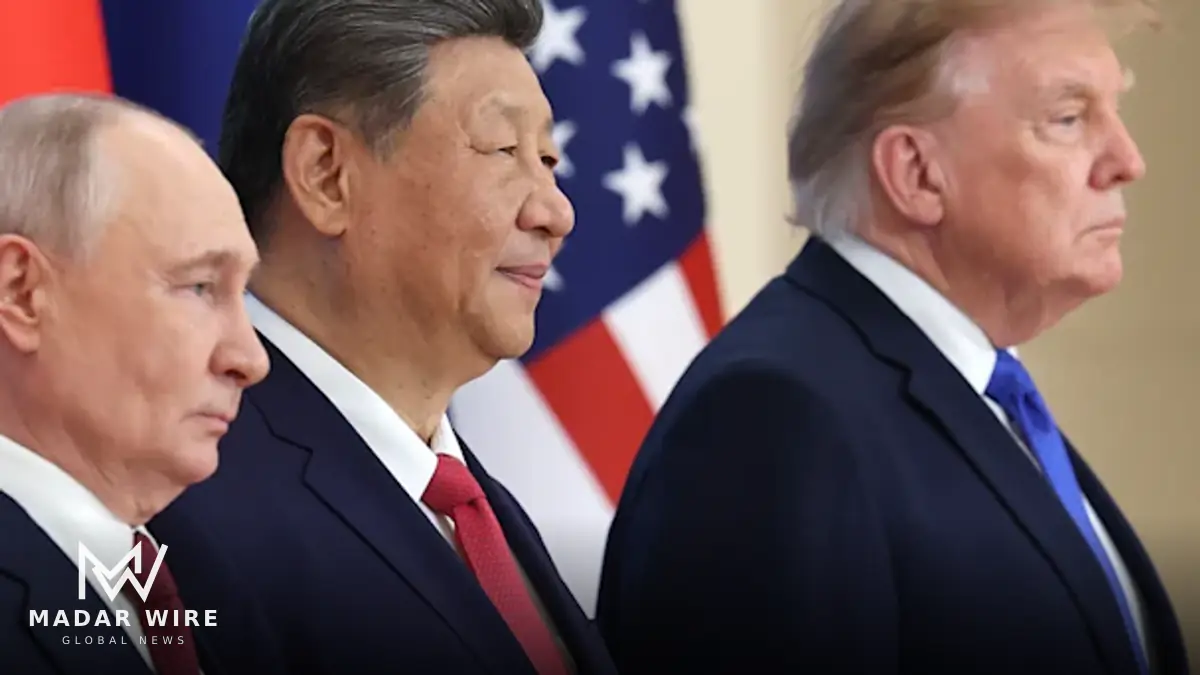
China is on the verge of eclipsing the United States as the dominant power in Asia, according to a respected geopolitical scorecard. The findings suggest that the regional balance of power has shifted significantly, leaving Washington struggling to maintain its traditional influence across the Indo-Pacific.
Reporting from the Sydney Morning Herald - Politics highlights that the strategic pivot follows a period of intense instability. Analysts point to the costly and protracted US involvement in conflicts, including the campaign against Iran, as a primary catalyst for the current power vacuum.
The erosion of US regional leverage
For decades, the United States has acted as the primary security guarantor in the Asia-Pacific. However, the latest data indicates that this hegemony is fraying. The Sydney Morning Herald - Politics notes that as American resources were diverted to the Middle East, Beijing seized the opportunity to expand its economic and military footprint throughout its immediate neighbourhood.
This shift is not merely symbolic; it represents a fundamental change in how regional nations view their security architecture. With China now within a "skerrick" of becoming the most powerful actor in the region, neighbouring states are increasingly recalibrating their diplomatic and trade relationships to accommodate a new reality.
Implications for Australian policy
The findings present a complex challenge for Canberra. As a long-standing ally of the United States, Australia now faces the reality of a more assertive China operating in a region where American influence is no longer guaranteed. The report underscores the urgency for Australian policymakers to navigate a path that balances traditional security alliances with the economic necessity of engaging with a dominant China.
Experts suggest that the window for the US to reclaim its former status is narrowing. Without a significant shift in regional strategy, the scorecard indicates that the transition of power may be nearing a point of no return, fundamentally altering the geopolitical landscape for the coming decade.