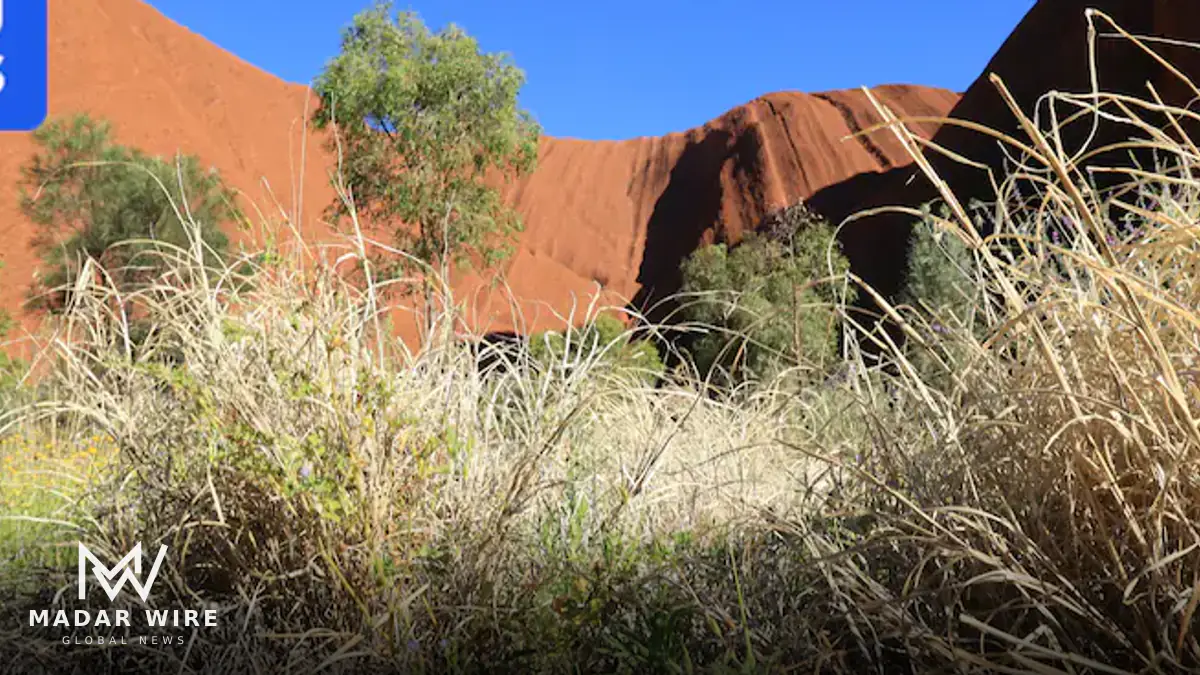
Environmental organisations and First Nations representatives have condemned the federal government's decision not to classify buffel grass as a weed of national significance, according to reports by ABC News Australia - Top Stories. The controversial decision has exposed deep divisions between land management sectors and conservationists who warn of ongoing ecological damage across arid landscapes.
Buffel grass poses a severe threat to native biodiversity and intensifies wildfire risks across vast regions of regional Australia. Despite these environmental concerns, the pastoral sector has strongly defended the plant, arguing it remains an essential and resilient source of feed for livestock.
Cattle Industry Welcomes Pastoral Outcome
According to ABC News Australia - Top Stories, the cattle industry has hailed the decision as a critical win for pastoralists. Graziers rely heavily on the hardy grass to sustain cattle herds during dry conditions, pointing out that federal regulation would have imposed severe economic pressures on rural operations.
Proponents of the agricultural sector argued that alternative feed sources are severely limited in semi-arid zones, making the management of existing pastures vital for regional food security and economic stability.
Conservation and Cultural Concerns Mount
Conversely, environmentalists and Indigenous groups maintain that failing to list the grass nationally undermines long-term land health. ABC News Australia - Top Stories noted that critics are calling for stronger federal intervention to protect culturally significant sites and native flora from the aggressive spread of the invasive plant.
The debate highlights the ongoing challenge of balancing agricultural productivity with environmental preservation in Australia's fragile dryland ecosystems.