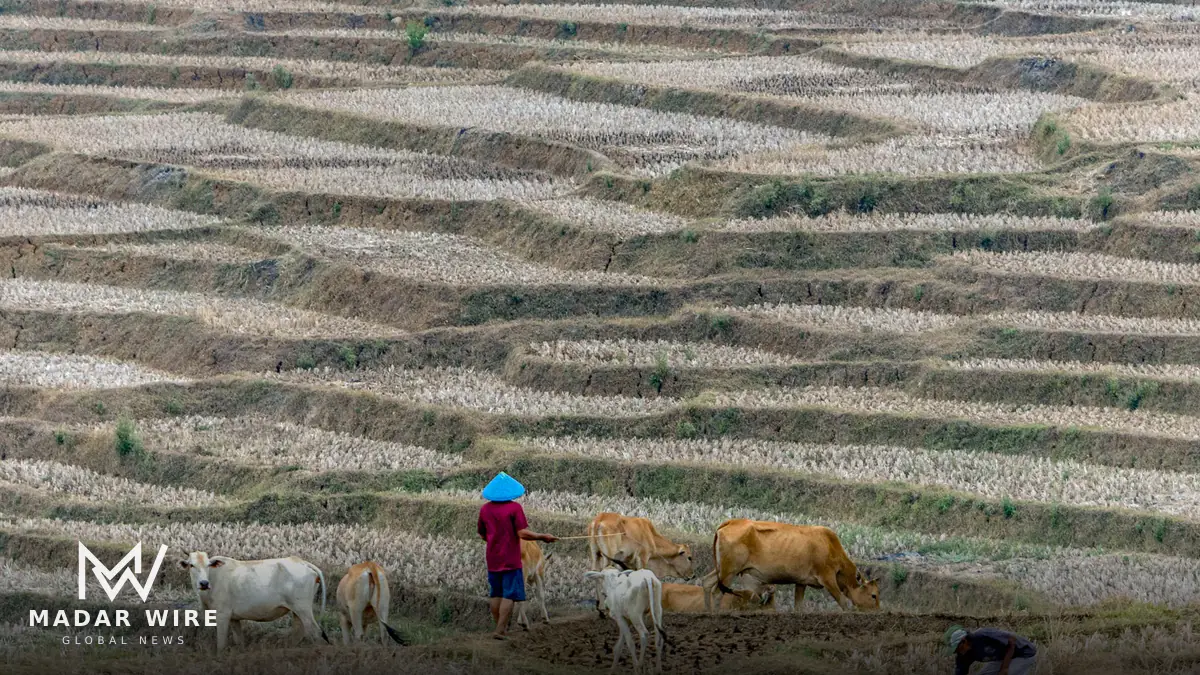
The current Super El Niño is reshaping global weather patterns with unprecedented intensity, creating a precarious situation for international food security. According to a report by Wired - Top Stories, the phenomenon is driving a dual-threat scenario where some regions face catastrophic flooding while others endure prolonged, devastating droughts.
This environmental volatility arrives at a time when global food systems are already under immense pressure. The compounding effects of regional wars and significant cuts to international aid programs have left millions of people in vulnerable nations with little buffer against climate-driven crop failures.
Climate Volatility and Agricultural Collapse
The impact of El Niño on agriculture is rarely uniform, but the current iteration is proving particularly disruptive to established planting and harvesting cycles. In regions heavily dependent on rain-fed agriculture, the lack of predictable precipitation is leading to widespread soil degradation and stunted crop growth. These localized failures are quickly rippling through global supply chains, driving up commodity prices and limiting access to essential nutrients for those in poverty-stricken areas.
Technological interventions, such as satellite-based crop monitoring and precision irrigation, are struggling to mitigate the sheer scale of these climatic shifts. While data analytics provide better early warning systems than ever before, the physical reality on the ground remains grim. Without adequate infrastructure to store surplus or transport aid, the gap between climate data and humanitarian response continues to widen.
The Intersection of Geopolitics and Weather
Beyond the meteorological data, the human cost is being amplified by geopolitical instability. Wired - Top Stories highlights that the intersection of armed conflict and climate stress creates a feedback loop that destroys local economies. When supply lines are severed by war, the ability to import food to offset local shortages becomes nearly impossible.
Furthermore, the reduction in foreign aid budgets among major donor nations has left humanitarian organizations scrambling to fill the void. As the Super El Niño continues to evolve, the focus is shifting toward how climate-resilient farming techniques and international policy can be better integrated. Addressing the hunger crisis will require more than just monitoring weather patterns; it demands a robust, coordinated effort to stabilize the regions most susceptible to these extreme climate swings.