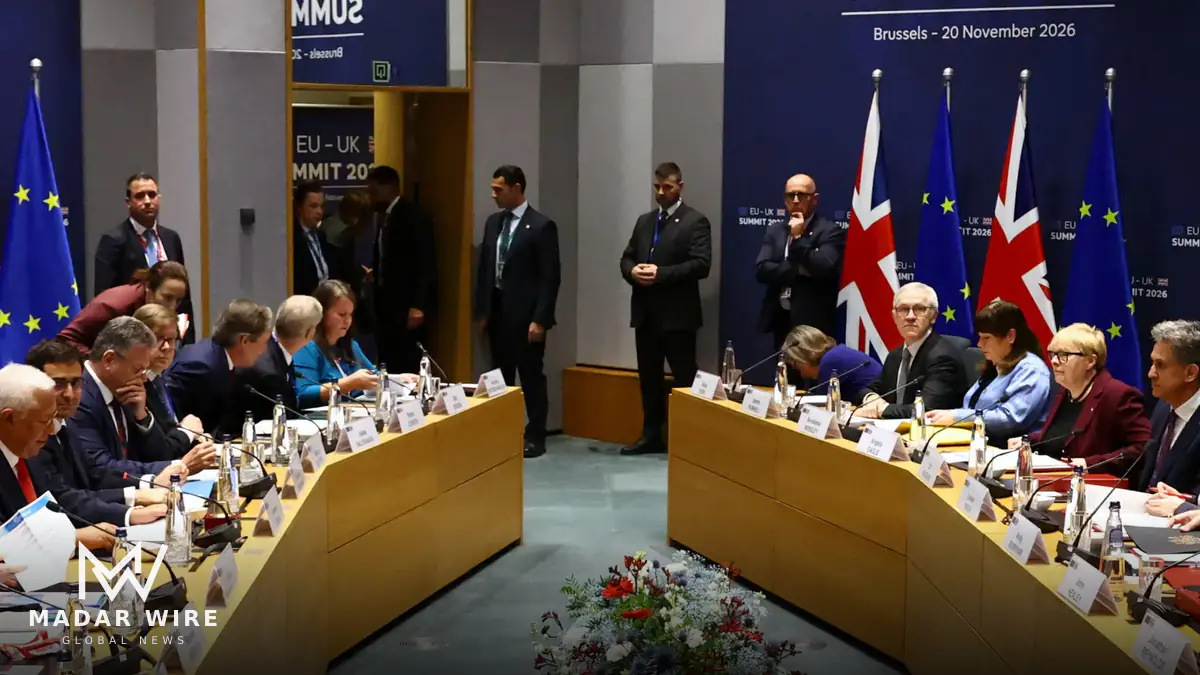
The UK-EU trade deal—finalized after years of post-Brexit negotiations—includes a 10-year termination clause, offering both sides the option to exit with a year’s notice, according to BBC News - Business. The provision, part of the broader treaty text, signals a departure from the permanent nature of earlier agreements, such as the 2016 Canada-EU deal.
A Flexible Framework for Uncertainty
The clause underscores the UK’s and EU’s willingness to adapt to geopolitical shifts, including potential trade tensions or strategic realignments. While the UK has pursued independent trade deals—most notably with Australia and the CPTPP—this flexibility could become critical if either bloc seeks to renegotiate terms or pivot toward alternative partnerships. The inclusion of such a provision also contrasts with the EU’s long-standing stance on irreversible trade agreements.
Legislative Rollout Today
The full treaty text, alongside UK legislation to enact the deal’s provisions, will be published today. This marks the culmination of a process that began with the 2020 Trade and Cooperation Agreement (TCA) but has since evolved to address new economic realities. Key areas covered include tariff-free trade, regulatory cooperation, and dispute resolution—though the latter remains a contentious issue, with the UK’s approach to independent arbitration drawing criticism from Brussels.
The UK government has framed the clause as a safeguard against long-term economic misalignment, though critics argue it could introduce instability. The EU, for its part, has emphasized that the deal remains binding unless either party formally invokes the exit mechanism—a move that would trigger a year-long transition period.