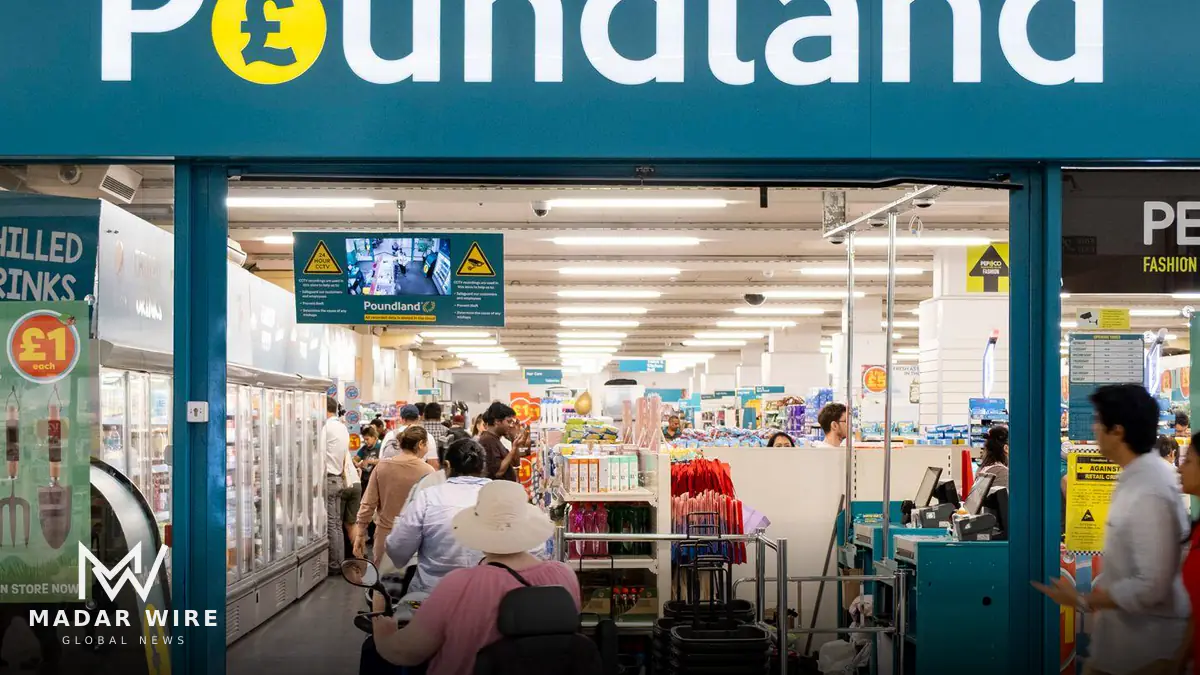
Poundland, the UK’s most visible ultra-low-cost retailer, is set to vanish from British high streets by mid-2025, leaving behind a trail of unanswered questions about its 30-year legacy and the ripple effects on workers, suppliers, and the retail sector.
According to BBC News – Business, the chain’s collapse—after a failed £1.1 billion rescue bid—will shutter 300+ stores, wiping out 10,000 jobs. The move follows years of financial pressure, exacerbated by rising costs and shifting consumer habits. While some staff may receive redundancy packages, others could face prolonged job searches in a sector already grappling with labor shortages.
Staff and Supplier Fallout
The immediate human cost is stark: Poundland’s workforce, many of whom have been with the company for decades, now faces an uncertain future. The retailer has pledged to offer severance pay and career support, but critics argue this falls short of addressing the broader structural issues in retail employment. Meanwhile, suppliers—ranging from food producers to cleaning services—are bracing for unpaid invoices totaling millions. Some may seek alternative buyers, while others could be forced to renegotiate contracts or absorb losses, further destabilizing supply chains already strained by inflation.
The End of an Era for Ultra-Low-Cost Retail
Poundland’s demise signals the fragility of the £1-brand model, which thrived on razor-thin margins and high turnover. Competitors like Lidl and Aldi have expanded aggressively, undercutting Poundland’s pricing while offering better quality. The failure also underscores the challenges of scaling a business built on volatility—low wages, high turnover, and tight supplier relationships. Analysts warn that without innovation or a pivot toward higher-margin products, similar chains could face the same fate.
The UK government has yet to comment on the implications for regional economies, particularly in areas where Poundland was a major employer. As the closure unfolds, the focus will shift to how suppliers adapt and whether any fragments of the business—such as its e-commerce platform or private-label products—could be salvaged or repurposed.