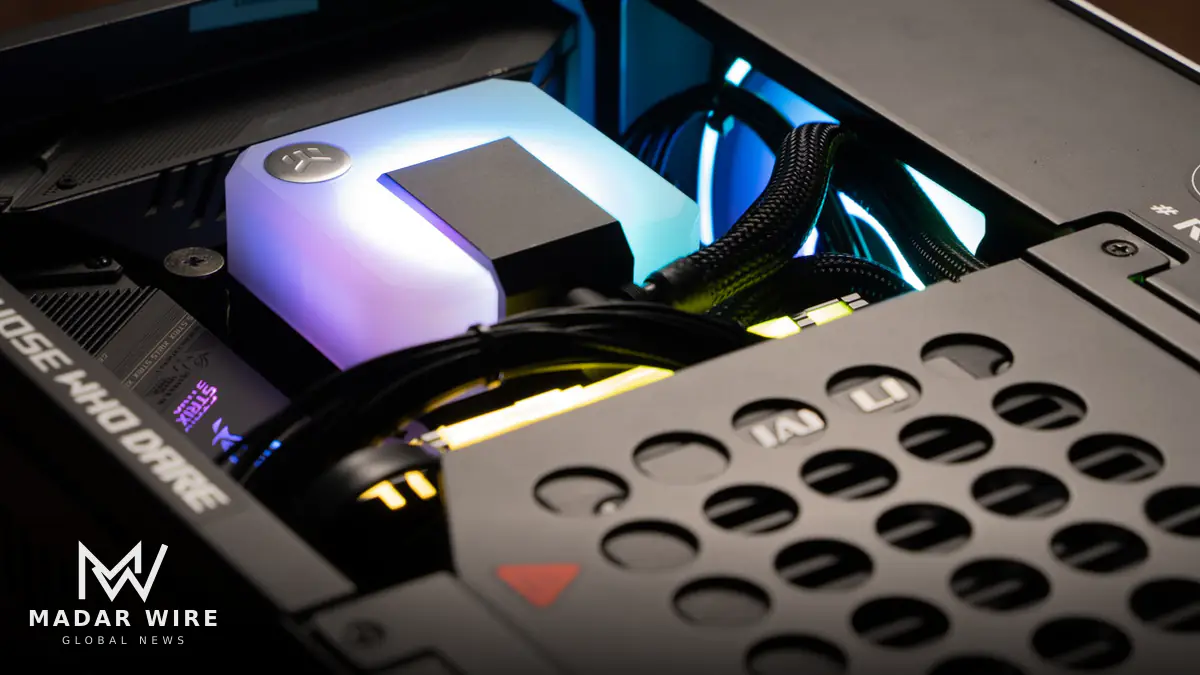
Mini PCs have surged in popularity for their compact footprint and energy efficiency, leading many enthusiasts to believe that building a custom unit is as straightforward as assembling a standard desktop. However, new reporting from Engadget highlights that the reality of DIY mini PC construction is far more complex than it appears. The tight physical constraints create a unique set of engineering hurdles that can frustrate even experienced builders.
The Thermal Bottleneck
The most significant challenge in small-form-factor computing is heat dissipation. Unlike full-sized towers, mini PCs lack the internal volume required for large, quiet fans or extensive heatsinks. According to Engadget, this spatial limitation forces builders to compromise on component selection, often resulting in higher temperatures and louder fan noise under load. Standard air coolers designed for ATX cases simply do not fit, requiring specialized, often expensive, cooling solutions that may still struggle to maintain optimal performance.
Furthermore, the proximity of high-heat components like the CPU and GPU to the case walls exacerbates the problem. Without adequate airflow, these parts can throttle performance to prevent damage, negating the benefits of high-end hardware. This thermal ceiling means that a DIY mini PC rarely outperforms a well-engineered commercial unit of similar size, which uses custom cooling designs optimized for the specific chassis.
Compatibility and Cost Considerations
Beyond thermals, component compatibility poses another major hurdle. Mini PC cases often require specific motherboard form factors, such as Mini-ITX, which are significantly more expensive than their ATX counterparts. Engadget notes that the limited space also restricts the types of graphics cards and power supplies that can be installed. Many high-performance GPUs are too long to fit, forcing builders to choose between lower-tier hardware or custom water-cooling loops, which adds substantial cost and complexity.
For the average user, the time and money spent troubleshooting fitment issues and thermal management often outweigh the benefits of a custom build. While enthusiasts may enjoy the challenge, the margin for error is slim. A single miscalculation in dimensions can render a high-value component useless. Consequently, off-the-shelf mini PCs from established manufacturers remain the more practical choice for most consumers, offering a balance of performance, size, and reliability that is difficult to replicate in a DIY environment.