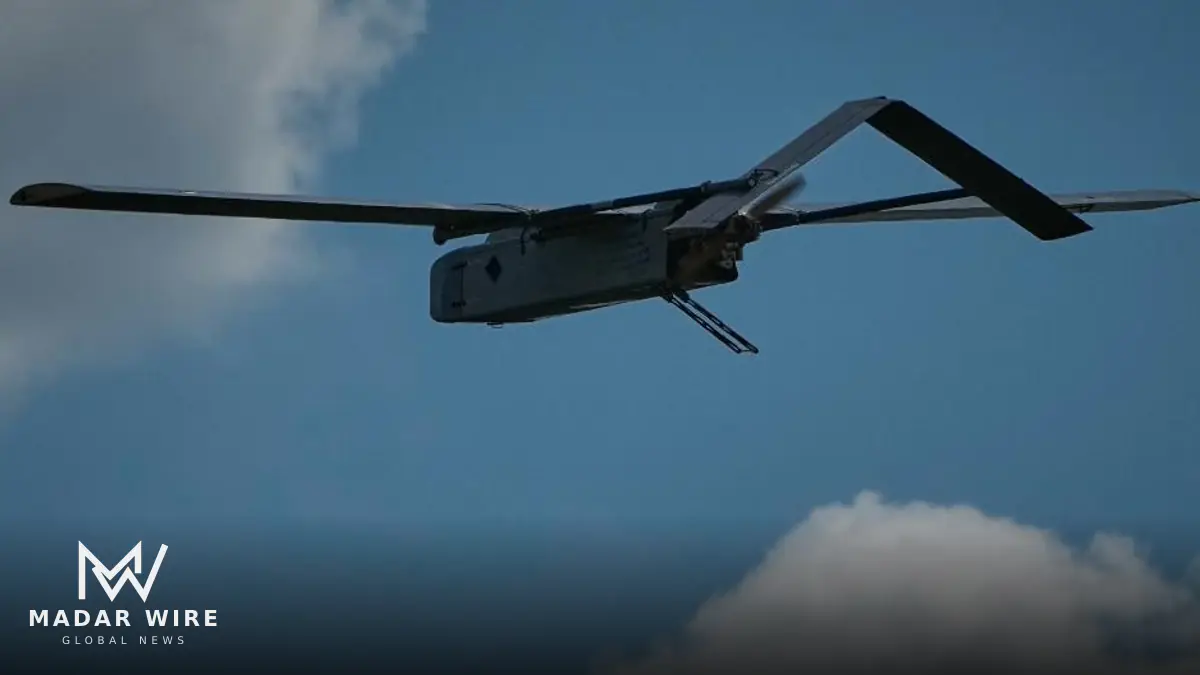
International efforts to regulate lethal autonomous weapons systems—often referred to as 'killer robots'—have stalled following the latest round of United Nations talks. Despite extensive debate, member states have failed to reach a consensus on a binding legal framework to curb the development or deployment of AI-driven weaponry.
Reports from Stuff NZ indicate that while nations have agreed to continue discussions, there is no firm commitment to implement restrictions. The lack of a definitive outcome highlights the deep divide between major military powers, who are hesitant to limit their technological advantages, and smaller nations advocating for strict humanitarian safeguards.
The challenge of autonomous warfare
The core of the debate centres on the accountability of machines in combat scenarios. Critics argue that delegating life-or-death decisions to algorithms removes human moral agency, potentially leading to violations of international humanitarian law. Without a clear definition of what constitutes an autonomous weapon, experts warn that the technology is outpacing the current regulatory environment.
Military analysts suggest that the rapid integration of AI into drone technology and missile systems has created a 'grey zone' in international law. While some states argue that existing laws of war are sufficient, others contend that new, specific treaties are required to prevent an unchecked arms race in the digital domain.
Diplomatic deadlock persists
The decision to defer concrete action to future meetings has drawn criticism from non-governmental organisations and ethics advocates. These groups maintain that the window for meaningful intervention is closing as AI capabilities move from experimental phases to active battlefield integration.
For New Zealand and other nations involved in the UN process, the path forward remains uncertain. The diplomatic focus is now expected to shift toward building a broader coalition that can bridge the gap between technological ambition and the ethical necessity of maintaining human control over the use of force. Further sessions are expected to be scheduled, though observers remain sceptical about the prospect of a breakthrough in the near term.