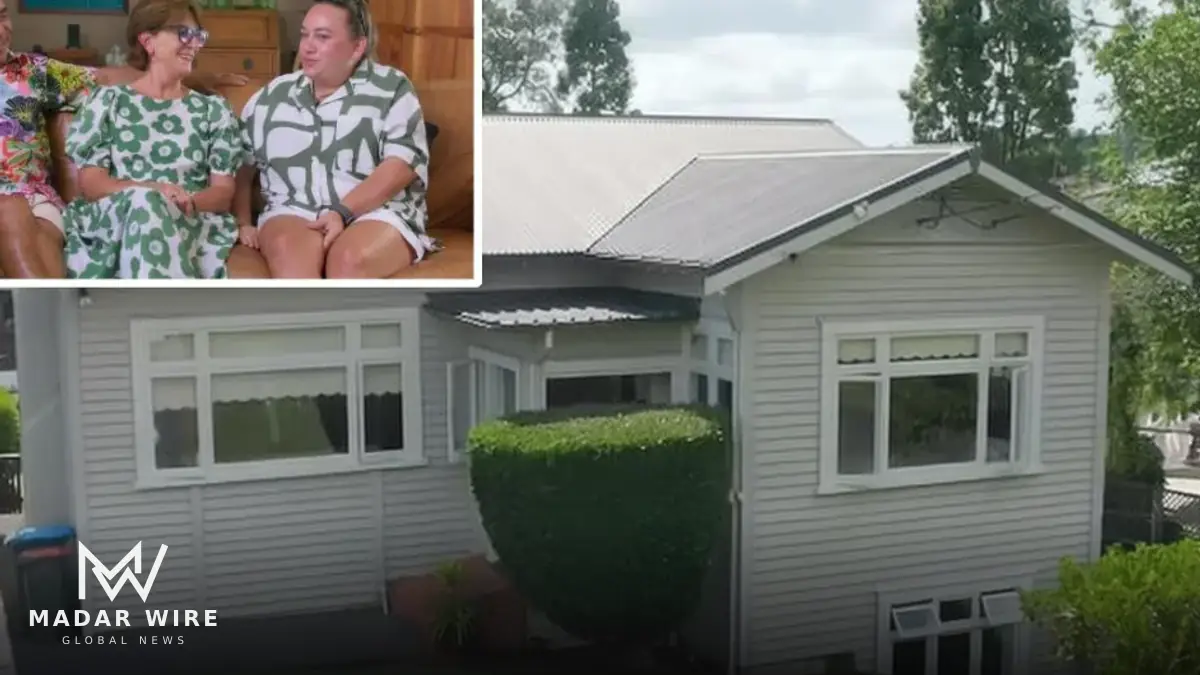
A routine home renovation project has concluded with an unexpected legal verdict, leaving property owners and industry professionals questioning the implications for future residential upgrades. The case, which has drawn significant attention, highlights the complexities inherent in New Zealand's building and construction regulations.
According to reporting by Stuff NZ - News, the outcome of the renovation was not anticipated by those involved in the project. While the specific details of the dispute remain complex, the final judgment has sent ripples through the local construction sector, prompting calls for greater clarity regarding compliance and contractual obligations.
Legal complexities in residential construction
The renovation, which was initially expected to be a straightforward improvement, became entangled in a series of unforeseen regulatory hurdles. As noted by Stuff NZ - News, the legal proceedings focused on the interpretation of building standards and the responsibilities of both the homeowners and the contractors involved. The final ruling has underscored the importance of meticulous documentation throughout the renovation process.
Legal experts suggest that this case serves as a cautionary tale for those undertaking significant home improvements. The intersection of local council bylaws and national building codes often creates a challenging environment for property owners. This particular verdict may now serve as a reference point for similar disputes moving forward.
Industry response and future implications
Industry bodies are currently assessing the impact of this judgment on standard construction contracts. The uncertainty created by the ruling has led to discussions about whether current industry practices are sufficient to protect homeowners from similar legal pitfalls. Stakeholders are now urging for a more robust framework to govern residential renovation projects.
As the details of the case continue to circulate, the focus remains on how this outcome will influence the broader construction landscape in New Zealand. For now, homeowners are being advised to ensure that all agreements are clearly defined and that all necessary permits are secured well in advance of any work commencing. The case remains a significant reminder of the risks associated with property development.