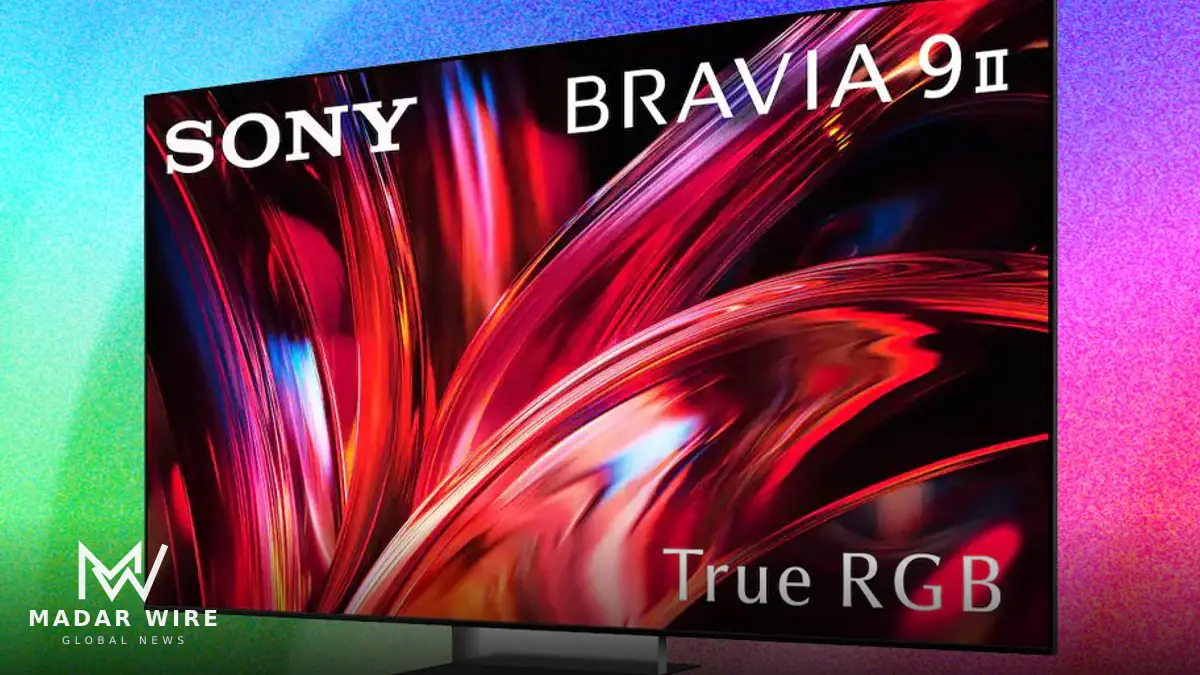
Sony has officially entered the 2026 display cycle with the Bravia 9 II, a television that pushes the boundaries of Mini-LED technology. According to recent reporting from Wired, the set arrives with a steep price point, but justifies the investment through a combination of raw luminance and sophisticated image processing.
Refining the Mini-LED Experience
The core of the Bravia 9 II experience is its ability to manage extreme brightness without sacrificing shadow detail. Sony has refined its local dimming algorithms, ensuring that light blooming—a common pitfall for LED-based displays—is virtually non-existent even in high-contrast scenes. This technical achievement allows the panel to compete directly with the deep blacks typically reserved for OLED technology, while offering the searing highlights that only Mini-LED can provide.
As noted by Wired, the hardware is complemented by a significantly expanded software suite. Users are no longer confined to basic presets; the 2026 iteration introduces a granular calibration menu that allows for precise adjustments to color temperature, gamma curves, and motion handling. For the average viewer, these settings might seem excessive, but for the home theater enthusiast, they represent a welcome shift toward professional-grade control.
A Premium Investment for Home Cinema
While the Bravia 9 II is undeniably expensive, it fills a specific niche for those who prioritize peak light output for HDR content. The display handles bright, sun-drenched environments with ease, maintaining color accuracy even when the backlight is pushed to its maximum threshold. This makes it an ideal centerpiece for living rooms that struggle with ambient light, where traditional OLEDs might otherwise struggle to maintain visibility.
Ultimately, the Bravia 9 II is a testament to Sony’s commitment to hardware refinement over radical, unproven experimentation. By focusing on the fundamentals of contrast, brightness, and user-facing customization, the company has delivered a display that feels both mature and cutting-edge. It remains a high-end proposition, but one that delivers tangible results for those willing to pay for top-tier visual fidelity.