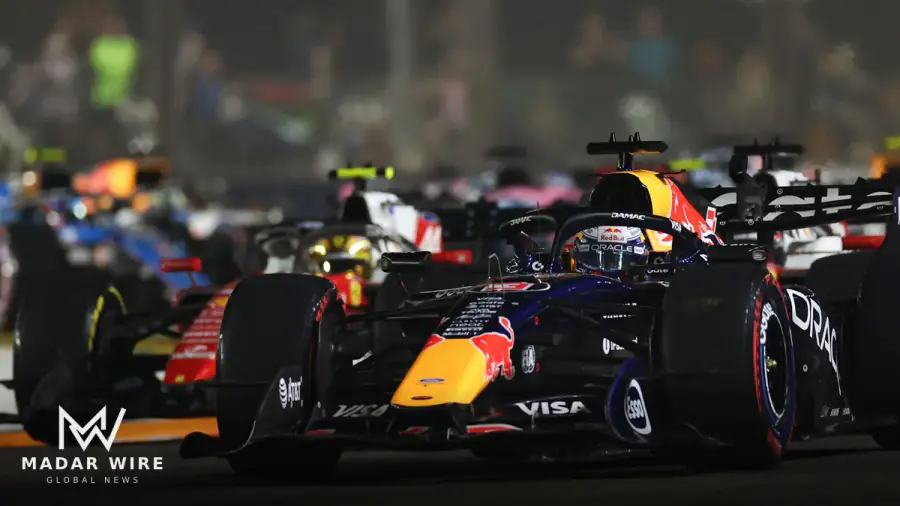
Formula 1 will re‑introduce V8 engines from the 2030 season, the sport’s governing body announced on Tuesday. The decision, reported by Sky Sports - News, marks the first major power‑unit overhaul since the hybrid era began in 2014.
V8s powered the championship from 2006 to 2013, delivering a distinctive sound and a more visceral racing experience that many fans still cherish. After a decade of turbo‑hybrid units, the FIA says the change is intended to “reconnect with the DNA of the sport,” according to President Mohammed Ben Sulayem.
Why the V8 Revival Matters
Ben Sulayem explained that the V8 formula offers a balance between performance, cost control and fan appeal. “It’s an opportunity to bring back the roar that defined Formula 1 for a generation,” he told a press conference. The new regulations will cap engine displacement at 2.4 litres, limit rev limits to 15,000 rpm and enforce stricter fuel‑flow limits to keep emissions in check.
Technical partners will have a five‑year development window, allowing manufacturers to design engines that are both powerful and reliable. The FIA also plans to standardise certain components to prevent a costly arms race, a concern that grew during the hybrid era.
Stakeholder Reactions and Roadmap
Team principals have responded with cautious optimism. Mercedes‑AMG Technical Director James Allison said, “A return to V8s could level the playing field and spark fresh engineering challenges.” Red Bull’s Christian Horner echoed the sentiment, adding that the change may rejuvenate the sport’s global audience.
Conversely, some environmental groups have raised questions about the sustainability of larger combustion engines. The FIA counters that the new V8s will incorporate advanced fuel‑efficiency technologies and will be paired with a mandatory hybrid recovery system.
Implementation will be phased: 2027‑2029 will serve as a testing period for prototype V8s, with full compliance required by the start of the 2030 calendar. The schedule gives teams ample time to adapt while giving fans a clear timeline for the anticipated sound revival.
Overall, the move signals a strategic pivot for Formula 1, aiming to blend heritage with modern performance standards. As the sport prepares for the upcoming transition, the next few years will be crucial in shaping how the iconic V8 roar fits into a rapidly evolving motorsport landscape.