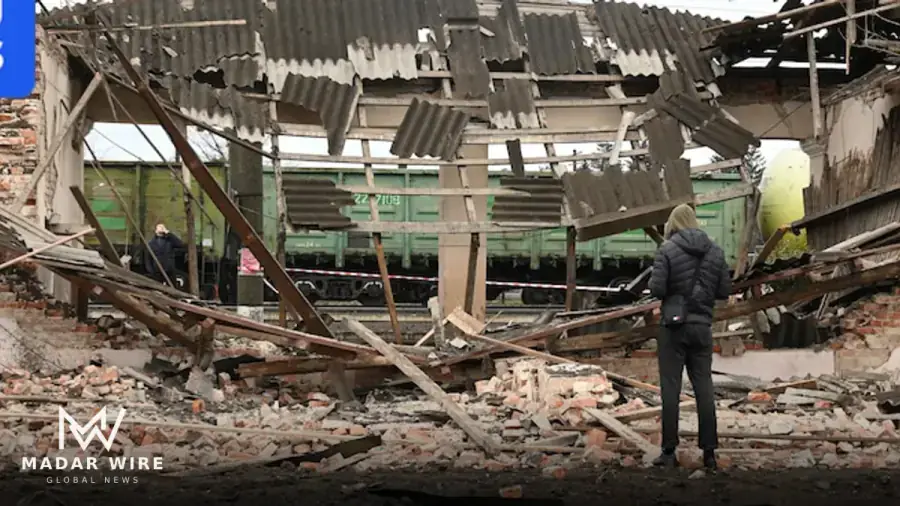
Russian forces have unleashed a massive aerial bombardment against Ukraine, launching dozens of missiles and hundreds of drones in an overnight offensive. The strikes follow a direct warning from President Vladimir Putin, who promised a "painful" response to recent Ukrainian attacks on the Crimean bridge.
According to reports from ABC News Australia - Just In, the intensity of the assault has caused widespread concern, with unconfirmed reports emerging that projectiles have crossed the border into Polish territory. The incident marks a significant escalation in the conflict, as NATO members remain on high alert regarding the potential for spillover into neighbouring nations.
Retaliation follows bridge attack
The Kremlin’s military campaign appears to be a calculated act of retribution following the damage sustained by the Crimean bridge earlier this week. President Putin publicly vowed that Moscow would respond to what he described as a "terrorist act" by Kyiv, signalling a shift toward more aggressive targeting of Ukrainian infrastructure.
Military analysts suggest the use of hundreds of drones alongside high-precision missiles is intended to overwhelm Ukrainian air defence systems. The scale of the attack confirms that Moscow is prioritising the destruction of energy grids and logistics hubs as winter approaches, aiming to cripple the nation's ability to sustain the war effort.
Regional security concerns intensify
The reports of Russian ordnance landing in Poland have triggered immediate scrutiny from international observers. While Polish authorities are currently verifying the origin and nature of the debris, the proximity of the conflict to NATO borders remains a primary concern for Western leaders.
ABC News Australia - Just In reports that the situation remains fluid, with emergency services in affected Ukrainian regions working to assess the damage. Global markets have reacted to the news, with geopolitical analysts warning that any confirmed strike on a NATO member state could necessitate a formal response from the alliance, further complicating the already volatile security landscape in Eastern Europe.