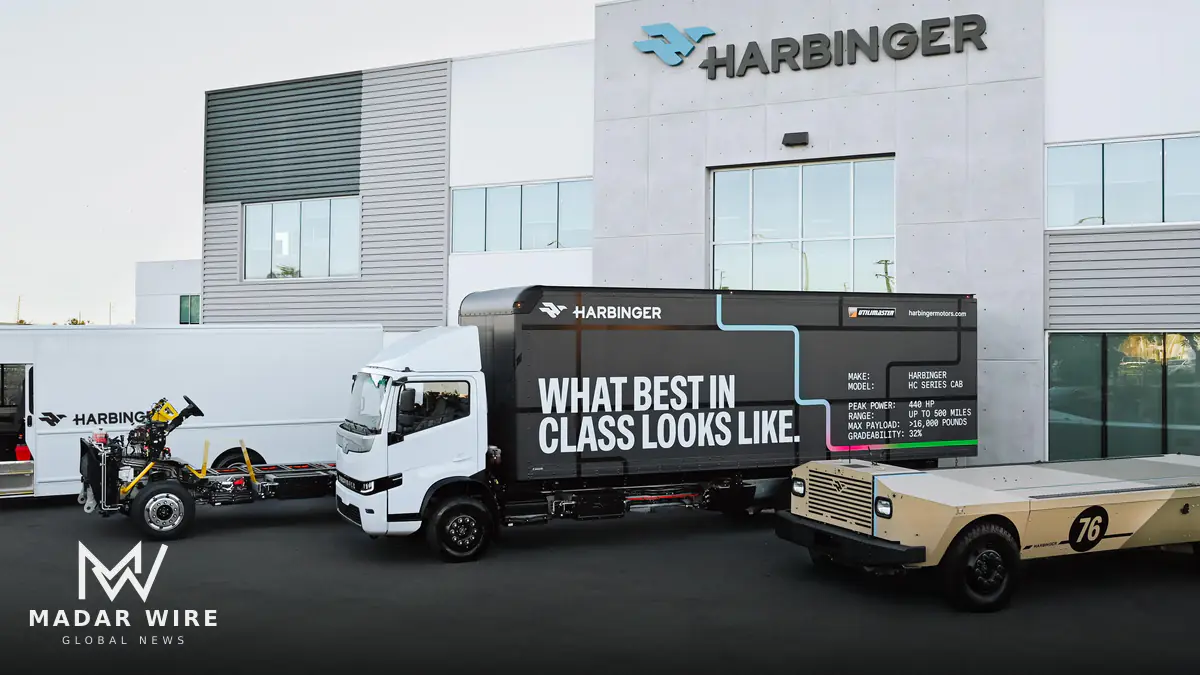
While major legacy automakers are hitting the brakes on their consumer electric vehicle programs, Harbinger is moving in the opposite direction. The Los Angeles-based startup, which focuses on the unglamorous but essential world of medium-duty commercial trucks, has officially closed a $240 million Series D funding round.
This capital infusion arrives during a period of rapid momentum for the company. According to reporting from The Verge - Tech, Harbinger has successfully secured a $300 million order from logistics giant FedEx. Furthermore, the company has expanded its reach into the public sector, landing a new defense contract with the U.S. military to supply specialized electric platforms.
Targeting the Commercial Niche
Harbinger’s strategy relies on a vertical integration model that prioritizes the specific, rugged needs of fleet operators over the high-performance aesthetics of consumer EVs. By building chassis designed specifically for electric powertrains rather than retrofitting existing internal combustion designs, the company claims it can offer better efficiency and lower total cost of ownership for businesses.
The commercial sector remains a critical battleground for electrification. While consumer adoption faces headwinds due to price sensitivity and infrastructure concerns, commercial fleets operate on predictable routes and centralized charging schedules. This makes them the ideal candidates for early, large-scale electrification, a reality that Harbinger is clearly banking on as it scales its manufacturing operations.
Navigating a Shifting Market
The company’s ability to raise significant capital in a cooling venture market underscores the growing demand for reliable, heavy-duty electric infrastructure. As logistics companies face increasing pressure to meet sustainability mandates, the demand for purpose-built electric trucks is expected to rise sharply.
Harbinger’s recent wins suggest that the market is beginning to favor companies that solve specific industrial problems rather than those chasing the broader consumer market. With the new funding in hand, the company is now tasked with scaling its production capacity to meet the substantial backlog of orders from both private logistics firms and government entities. Whether they can maintain this trajectory while scaling manufacturing remains the primary challenge for the startup in the coming fiscal year.