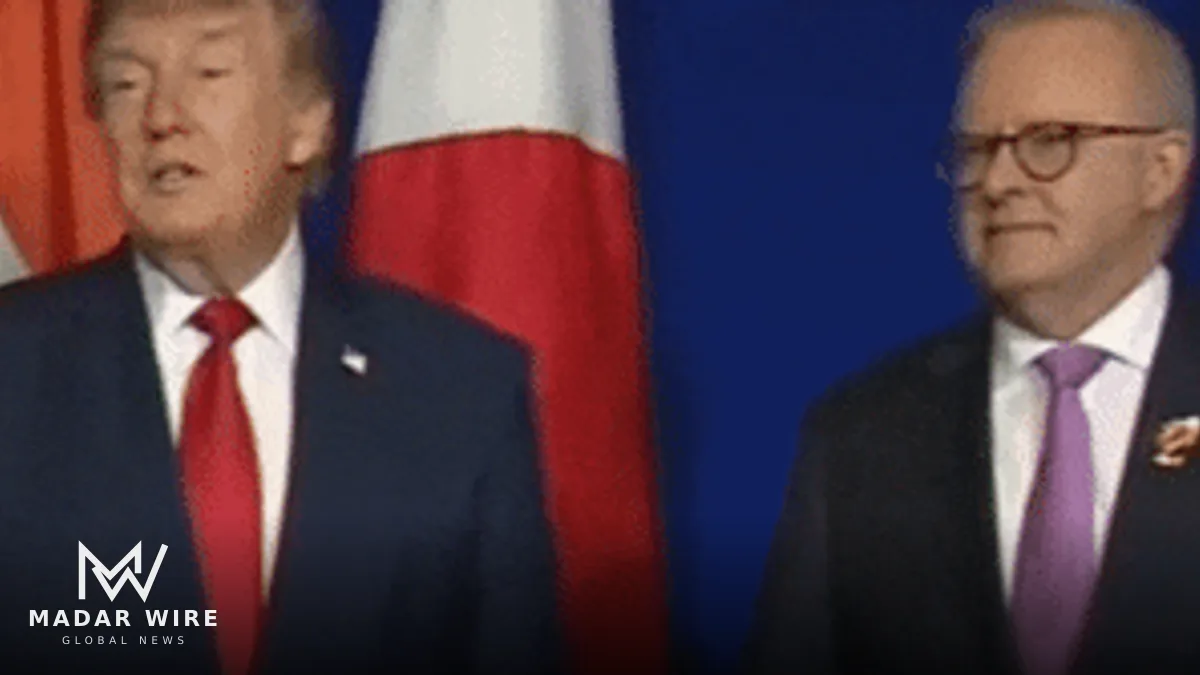
Australia’s prime minister announced at a Canberra defence convention on Thursday that the government would not provide military assistance to the United States in a potential war against Iran. The decision, described by senior US officials as a breach of the ANZUS alliance, marks a rare public rebuff of Washington’s regional strategy.
Speaking to delegates, the prime minister said Australia’s security interests must be assessed independently and that involvement in a conflict with Iran would not serve those interests. He cited the need for a diplomatic solution and warned that premature military engagement could destabilise the broader Middle East.
Alliance expectations
The United States has long counted on Australian support in joint operations, a cornerstone of the ANZUS treaty signed in 1951. In a statement to the Sydney Morning Herald - Politics, a senior US defence aide called the refusal "unprecedented" and urged Canberra to reconsider, warning that the alliance’s credibility could be at stake.
Australian officials responded that the treaty does not obligate automatic participation in every US‑led operation. They highlighted that the alliance is a partnership of consultation, not a command hierarchy, and that Canberra retains sovereign discretion over its deployments.
Domestic political fallout
Opposition leaders seized on the prime minister’s remarks, accusing the government of jeopardising national security and alienating a key ally. In the Senate, the opposition’s foreign affairs spokesperson called the stance “reckless” and warned of potential economic repercussions.
Within the ruling party, senior ministers expressed support for the decision, framing it as a principled stand for Australian autonomy. The prime minister’s office, citing the Sydney Morning Herald - Politics, said the policy reflects “the will of the Australian people to avoid entanglement in a war that does not directly threaten our nation.”
Analysts predict the episode will prompt a review of the ANZUS framework, with possible calls for clearer guidelines on mutual defence obligations. While the immediate impact on US‑Australia cooperation appears limited, the episode underscores growing tension over foreign policy direction in Canberra.