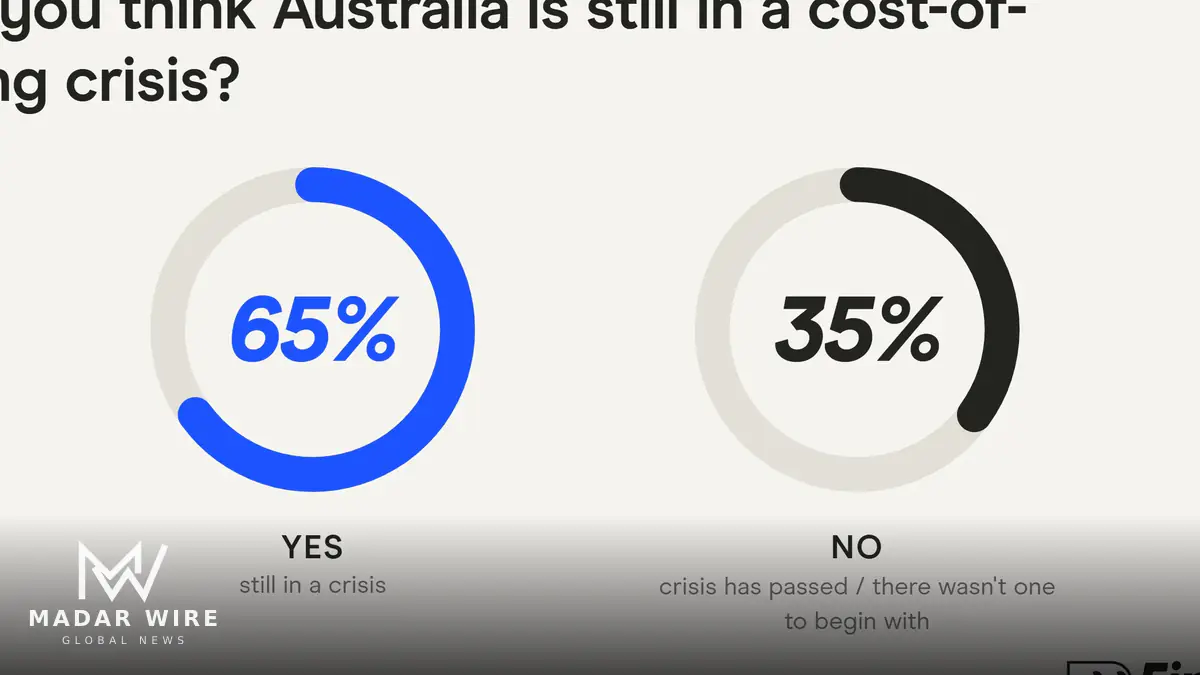
The cost‑of‑living crisis is taking a measurable toll on mental health across Australia, with clinicians warning that financial strain is eroding wellbeing for many households.
Claudia, a 32‑year‑old from Melbourne, told The Guardian – Australia that in her effort to save a house deposit she gave up activities that once brought her joy. She now checks her bank balance multiple times a day, a habit that amplifies fear and hopelessness.
Psychologists say Claudia’s experience is becoming typical. Dr Sarah Mitchell, a clinical psychologist in Sydney, told the publication that “persistent financial pressure creates a feedback loop of anxiety, sleeplessness and reduced coping capacity.”
National data support the anecdote. The Australian Bureau of Statistics reported a 12% rise in households reporting financial stress between 2022 and 2024, coinciding with a 9% increase in reported anxiety disorders, according to the Australian Institute of Health and Welfare.
Cost‑of‑living pressure fuels anxiety
Experts observe that the stress of unaffordable housing, rising utility bills and stagnant wages is manifesting as chronic worry. Young adults, who are most likely to be saving for a first home, are particularly vulnerable. The constant monitoring of bank balances, as Claudia describes, can trigger panic attacks and depressive episodes.
“When money becomes the central focus of daily life, it crowds out other sources of satisfaction and resilience,” Mitchell added. The mental‑health impact is not limited to individuals; families report strained relationships and reduced productivity at work.
Practical coping strategies for households
Financial counsellors recommend a three‑step approach: create a realistic budget, seek professional advice and build a modest emergency fund. Community organisations such as the MoneySmart program offer free workshops that help people re‑frame their financial goals.
On the mental‑health side, regular exercise, mindfulness practices and scheduled “digital‑detox” periods have been shown to lower cortisol levels. Access to free or low‑cost counselling through Medicare’s Better Access scheme is also encouraged.
Bianca Denny, the author of the original Guardian piece, stresses that “small, consistent actions can restore a sense of control.” She urges policymakers to address the root causes by accelerating affordable‑housing projects and reviewing wage growth policies.
Without coordinated action, the intertwining of financial hardship and mental‑health decline could deepen, affecting Australia’s productivity and social cohesion.